From Roadmap to Deployment
In-depth editorial analysis on the decisions shaping the Philippines' enterprise AI landscape: compute infrastructure, agentic workflows, trusted data governance, and public-sector transformation.
From Copilots to AI Agents: What It Takes to Put GenAI to Work in Philippine Enterprises
Generative AI demos are easy to like. A chatbot answers questions fluently, a copilot drafts an email in seconds, an AI agent books a meeting on its own. The harder question for Philippine business leaders is what happens next: how do these tools become reliable parts of everyday work, inside real systems, with real customers and real accountability?


The AI-Ready Enterprise: Why Data and Cloud Foundations Decide AI Success in the Philippines
When AI projects disappoint, the model is rarely the main problem. More often, the data is incomplete, scattered across systems, poorly governed or simply hard to reach. The cloud environment may not be set up for AI workloads. Integration with core systems may be slow and fragile. For Philippine enterprises looking to scale AI, the foundations matter more than the headline technology.
Governed, Secure and Trusted: Making Enterprise AI Safe Enough to Scale in the Philippines
For many Philippine organisations, the question is no longer whether AI can create value. It is whether AI can be trusted to run in front of customers, inside regulated processes and on sensitive data. Governance, privacy and security are often seen as brakes on AI. In practice, they are what allow it to scale.
AI for Industry and Public-Sector Transformation: Where the Philippines Is Putting AI to Work
AI in the Philippines is moving from strategy documents into services people use. Government platforms are adding AI features, agencies are building AI skills and industries from banking to manufacturing are applying AI to real operational problems. This article looks at where AI is being put to work, and what it takes to do it well.
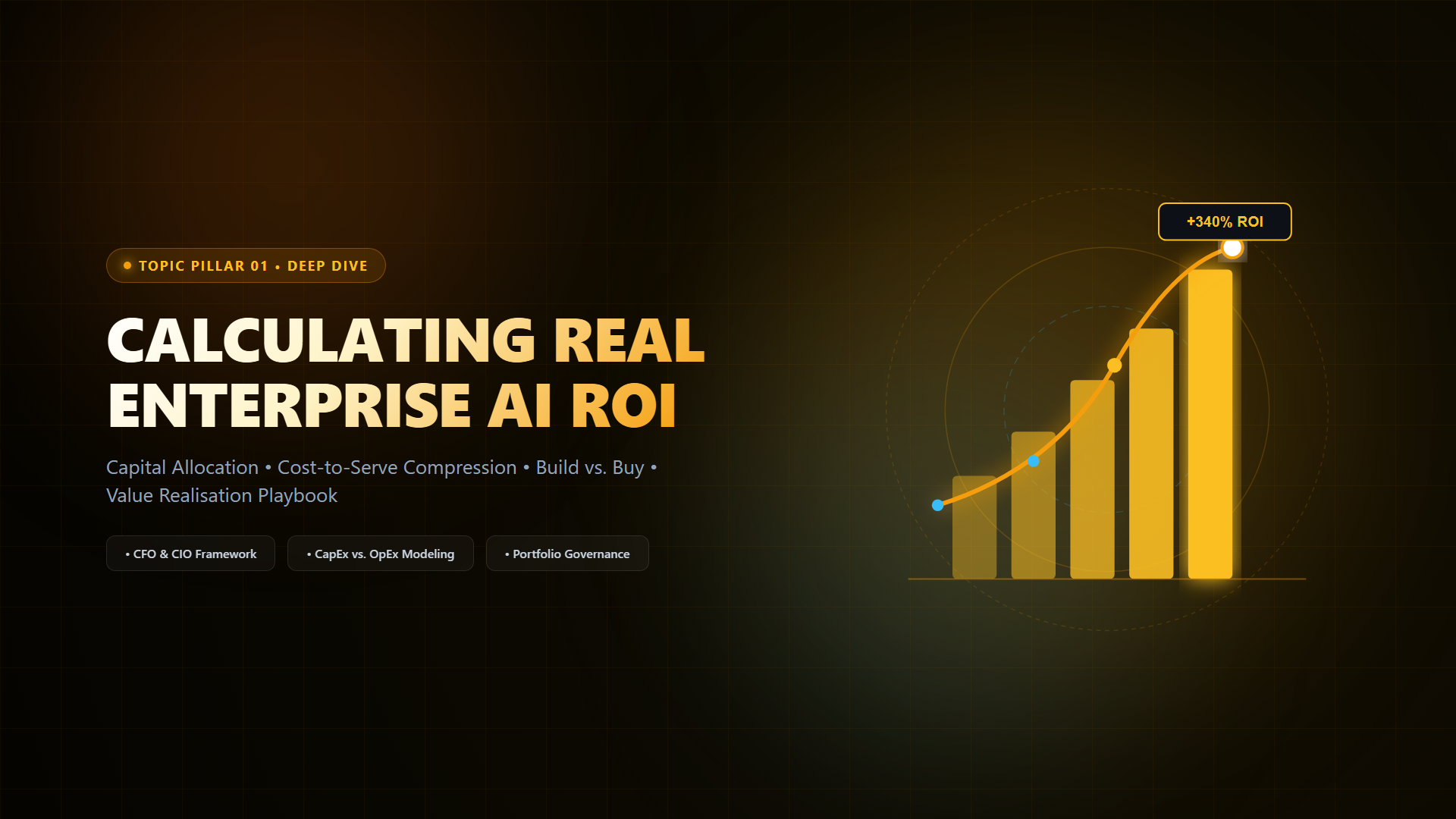
Calculating Real Enterprise AI ROI: The Philippine CFO and CIO Playbook
Across Philippine boardrooms, the question surrounding artificial intelligence has pivoted abruptly. The conversation in 2024 and 2025 centered on experimentation: "What can these foundation models do?" Entering 2027, CFOs and Chief Digital Officers are asking a far more demanding commercial question: "What is the exact financial and operational return on our AI capital allocation?"
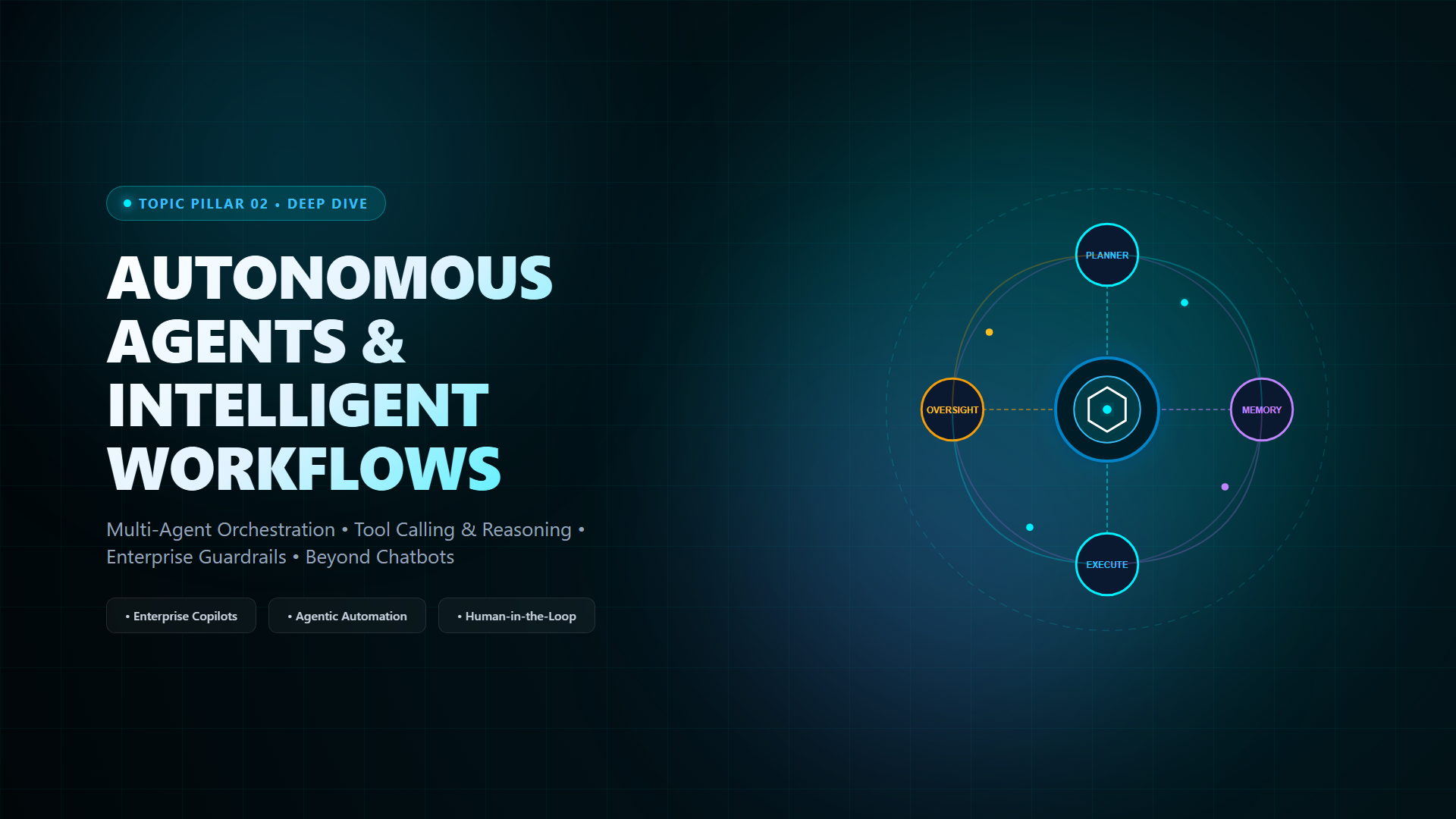
Beyond Chatbots: How Autonomous Agentic Workflows Are Transforming Philippine Business
For the past two years, enterprise generative AI in Southeast Asia was largely synonymous with one interface: the conversational chat window. Organizations deployed internal Q&A assistants, customer service chatbots, and code-completion tools. While these provided incremental productivity boosts, they revealed a fundamental limitation: chatbots can talk about work, but they cannot perform multi-step work autonomously.
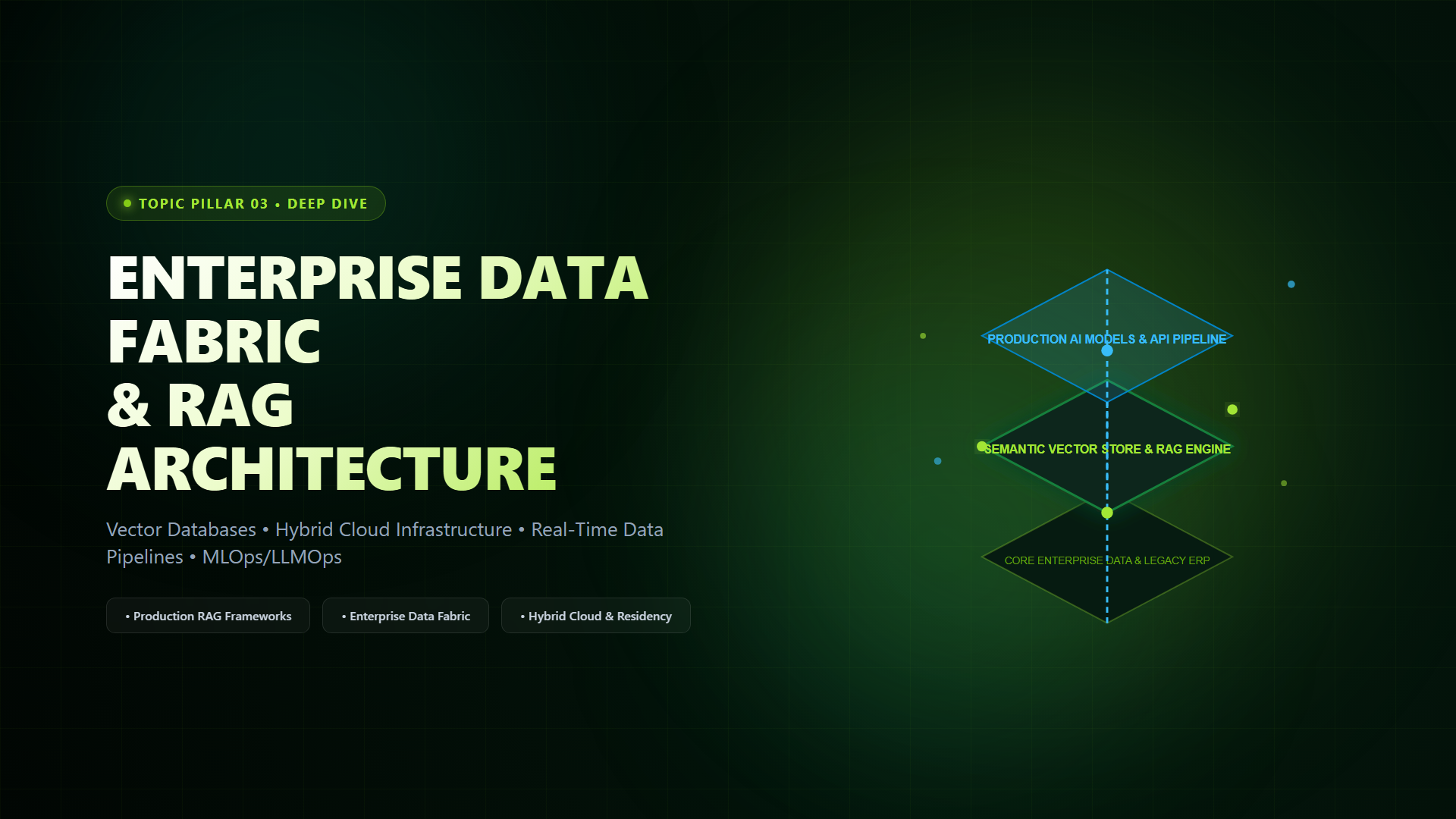
The AI Data Engine: Architecting Data Fabrics, Vector Pipelines, and Cloud Foundations
In the rush to deploy artificial intelligence, many enterprise technology leaders have learned an expensive truth: models do not fail in production; data foundations do.
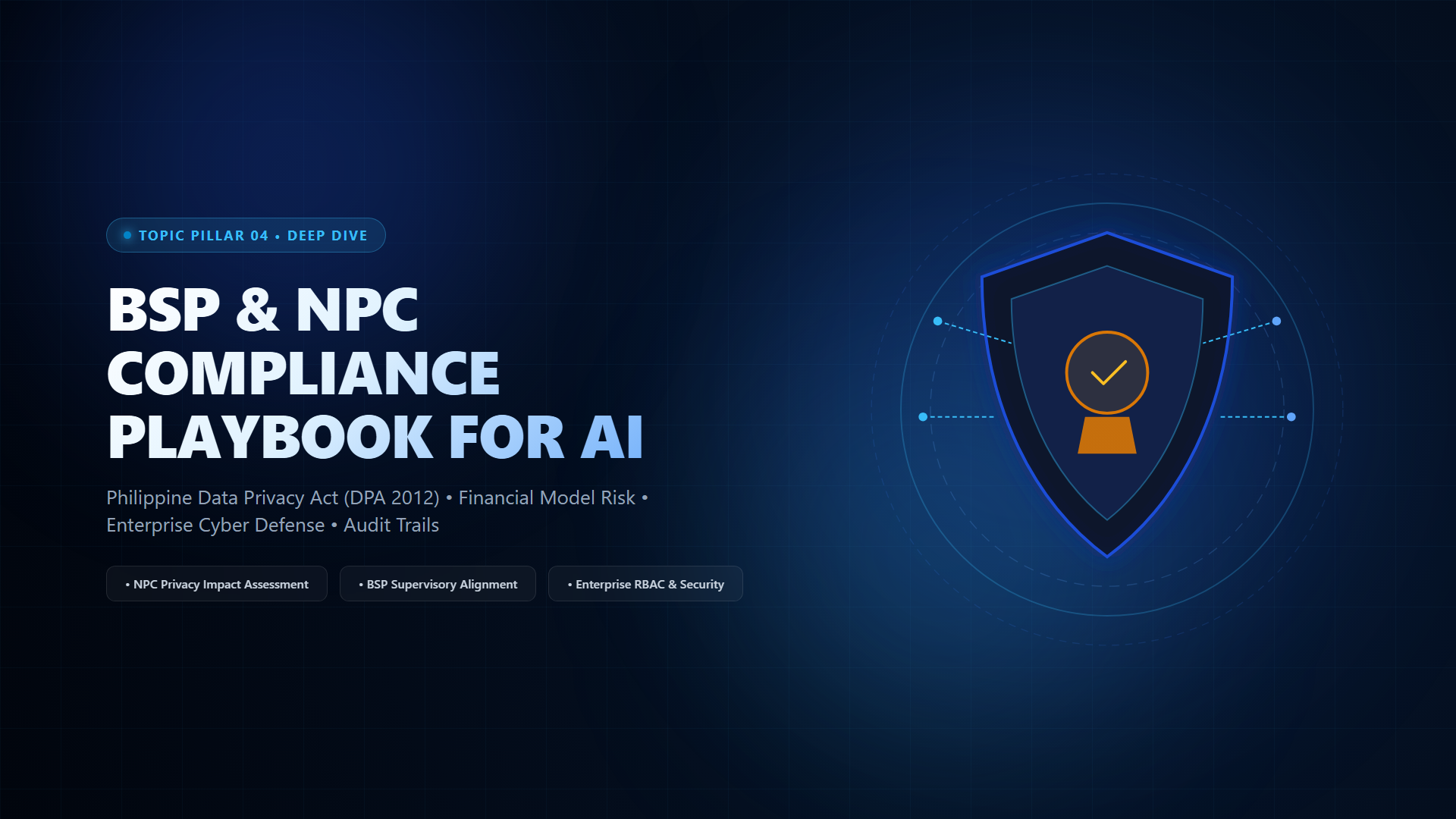
The Trust Architecture: Navigating NPC Privacy, BSP Risk Expectations, and AI Cybersecurity
In the digital economy, innovation without institutional trust is an existential liability. In the Philippines, the regulatory environment surrounding artificial intelligence has matured rapidly from theoretical ethics into concrete supervisory enforcement.
AI at National and Sectoral Scale: Transforming Philippine BFSI, IT-BPM, Telecoms, and Citizen Services
Artificial intelligence in the Philippines is fundamentally a story of operational convergence. While global headlines often obsess over speculative research, the Philippine market is defined by practical, high-impact enterprise and public-sector deployment.
Follow the Philippine AI Build
Monthly executive analysis on the decisions moving the Philippines from AI roadmap to enterprise deployment. Subscribe to be notified when articles are published.
Manila · 2–3 March 2027 · 500+ delegates · 40+ speakers